
Success Stories
Our Track Record, Your Growth.
We’re the Legends Behind the Legends
Every celebrated success story in the DC scene started with a vision. Our role is to make that vision sustainable, scalable, and legendary. By providing the clarity and resources needed at every stage, we turn small concepts into national names. These are the results of our track record.
A Food Hall Success Story
From lean pop-up to million-dollar savings — before the second location
Some of our most powerful work happens quietly, for clients who prefer it that way. This food hall operator came to us in the thick of daily operations — running a busy stall, executing pop-ups, and eyeing a second location. What they lacked wasn’t talent or ambition. It was financial clarity.
We went deep into their scheduling, staffing, and operational costs. By tightening labor schedules and building disciplined processes around every aspect of the operation — prep, service, and pop-up execution — we identified and captured over $1 million in savings, all before they ever signed a lease on location number two.
Armed with lean operations, clean financials, and a model they could actually replicate, they opened their second food hall location with confidence. This is what it looks like when accounting becomes a growth tool instead of a compliance expense.

PhoWheels
From a single food truck to four locations — built on margin discipline
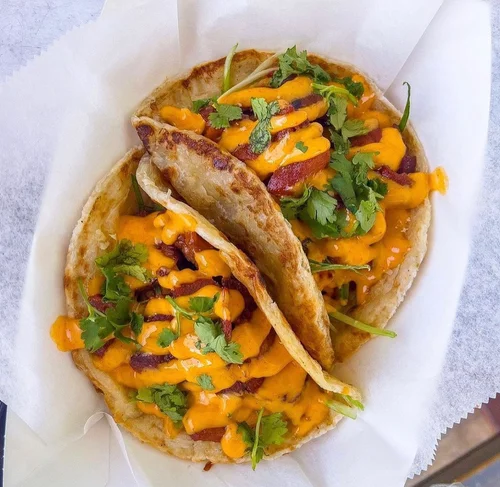
PhoWheels started as a family-run food truck bringing Vietnamese street food — pho, banh mi, roti tacos — to the streets and events of Washington, D.C. They had a loyal following, a strong concept, and a founder with real passion for the food. What they needed was a financial foundation to match.
Scaleit® Financial came in early and went to work on the numbers that matter most in food service: food cost, labor cost, and contribution margin by day part, location, and menu item. By hammering on margin and labor costs — the two levers that determine whether a food business actually keeps the money it makes — we helped the team build a model they could replicate.
Today, PhoWheels operates multiple brick-and-mortar locations including Union Market, Crystal City, and Burtonsville, alongside the original truck — and their pho now sells at Nationals Stadium and Capital One Arena. Each location runs on the same disciplined financial structure we built together. Clean books, clear KPIs, and a team that knows exactly which levers to pull.
Timber Pizza
From a ’67 Chevy pickup to a multi-location restaurant group
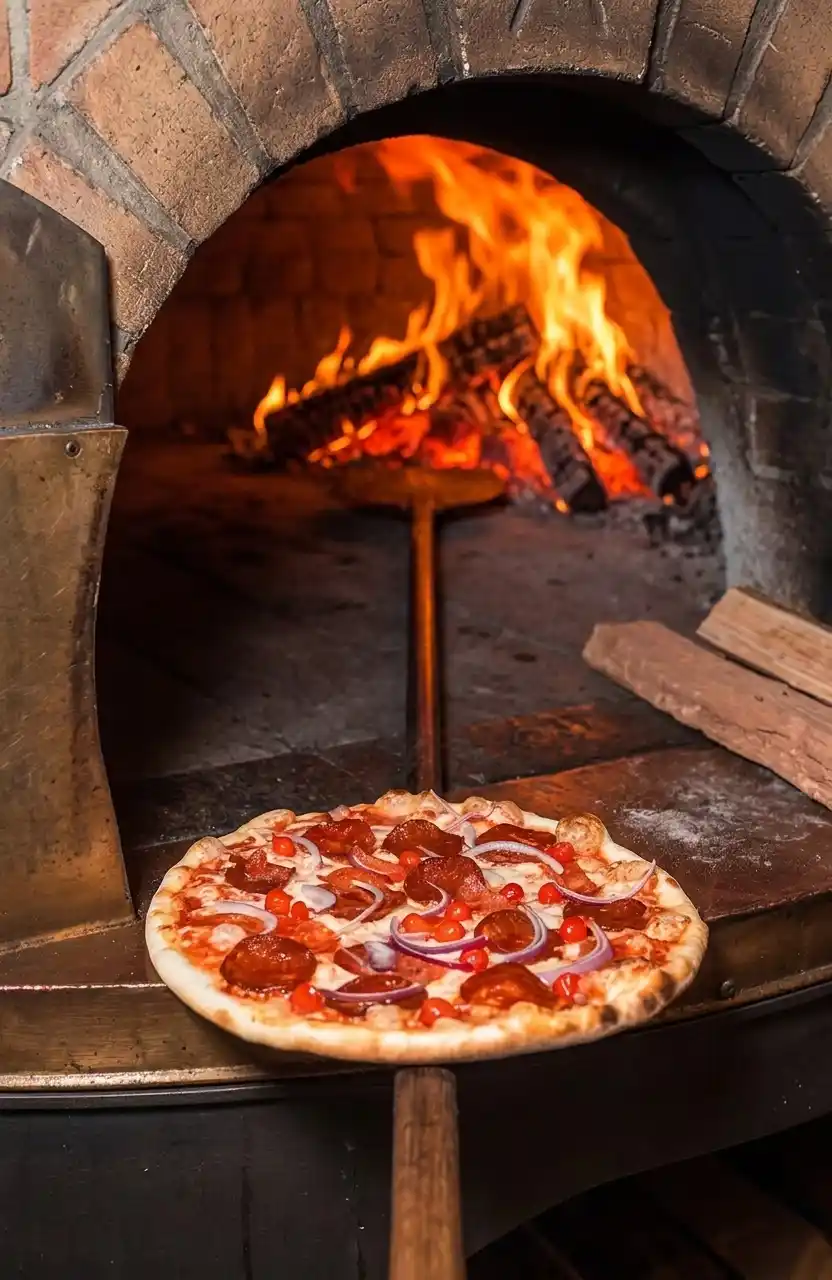
In 2014, Andrew Dana and Chris Brady quit their corporate jobs, bought a wood-fired pizza oven, and hitched it to a 1967 Chevy truck. Neither of them had ever made a pizza. What they had was a great concept, a work ethic, and the DC farmers’ market circuit. Scaleit® Financial came alongside them as they made the leap from mobile operation to brick-and-mortar.
Their first restaurant opened in Petworth in 2016, and from the very beginning, getting the financial structure right was the priority. We guided Timber through capital planning, financial reporting, and the kind of operational clarity that allows a founder to actually manage growth instead of just surviving it.
As momentum built, we helped facilitate the capital infusion that allowed the brand to scale beyond a single location. The result: Timber Pizza is now a beloved multi-location institution across the DMV, with brick-and-mortar restaurants in D.C. and Virginia, catering operations, airport locations, and a franchised expansion model that has taken the brand as far as Raleigh.
Timber’s story is proof that financial clarity isn’t just about keeping the books clean. It’s about building a platform for growth that founders can stand on confidently.
Call Your Mother Deli
From Park View to nearly 20 locations — the right financial structure from day one
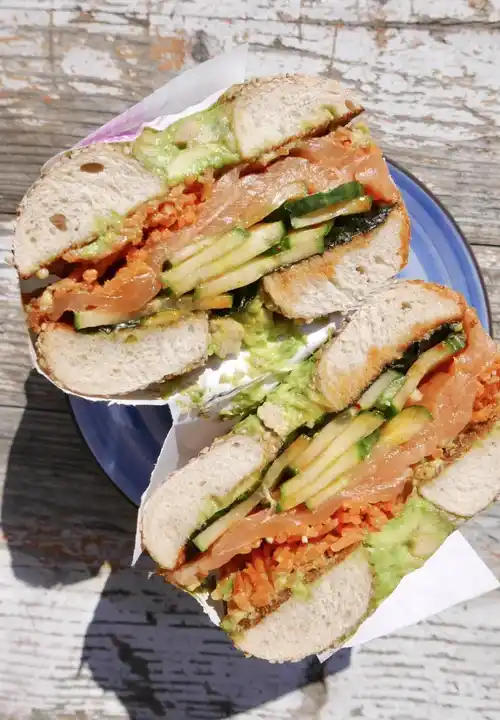
Andrew Dana and Daniela Moreira built Timber Pizza into a DC institution. When they were ready to launch their next concept — Call Your Mother, a “Jew-ish” deli rooted in farmers’ market bagels and creative deli fare — they came back to Scaleit® Financial to set up the financial structure for this new venture.
Call Your Mother opened its first location in Park View in October 2018 and was immediately celebrated, earning recognition from Bon Appétit as one of America’s best new restaurants in 2019. By the time the team was ready to raise capital and expand, the financial foundation was already in place.
With ScaleIt’s support in structuring the business financially, the team raised $1.35 million for expansion in 2019. What followed was remarkable: location after location, across D.C., Maryland, Virginia, and eventually Denver, Colorado. As of 2025, Call Your Mother has nearly 20 locations — with more on the way.
A Food Hall to Bakery Success Story
From a food hall stall to DC’s top-rated bakery — opened on the hardest possible day
Rose Ave Bakery opened its first stall at The Block food hall in downtown D.C. on March 11, 2020 — the same day the World Health Organization declared the COVID-19 pandemic. What followed would have ended most food businesses before they started.
It didn’t end Rose Ave. Instead, founder Rosie Nguyen pivoted to online pre-orders, rebuilt her operation from the ground up, and grew a devoted following for DC’s first modern Asian American bakery. Scaleit® Financial came in to help get the financial structure in order: clean reporting, a clear picture of margin and costs, and the kind of operational clarity that lets a founder make smart decisions under pressure.
In 2021, Eater DC named Rose Ave Bakery of the Year — a stunning honor for a first-year business that had launched into a pandemic. By 2023, Rose Ave moved from The Block into a beautiful stand-alone brick-and-mortar location in Woodley Park. Yelp ranked it among the top 100 local businesses in the entire country.
With a thriving standalone location and a growing reputation as one of the best bakeries in the country, the team is now actively exploring what comes next — with the financial structure to support wherever that leads.

A Pizza Empire, Built on Clean Books
From disorganized financials to 14+ locations — without outside financing
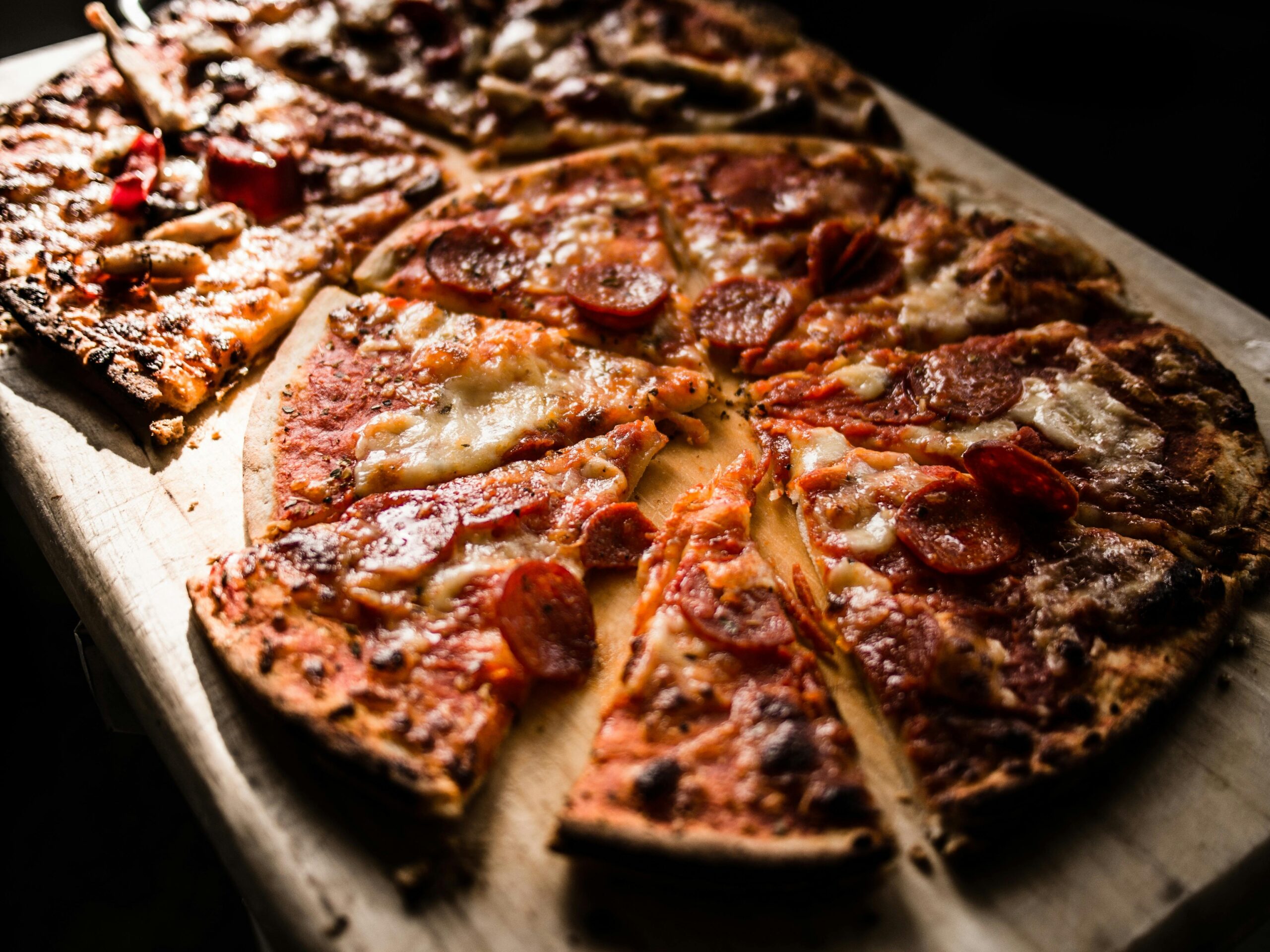
This DC-area pizza operator had already built something real: eight locations across the region, a loyal following, and a product that routinely wins “Best Pizza” awards. What they also had was a set of books in disarray. The financials weren’t telling the story the business deserved, and without clear numbers, the path to smart expansion was murky.
Scaleit® Financial came in and did the work: reconciliations, financial statement cleanup, proper KPI tracking across all locations. Once the picture was clear, the strategy became obvious. This wasn’t just a great pizza shop — it was a fundamentally profitable business with serious room to grow.
With clean financials and a clear picture of what each location could produce, the owner went on to open six additional locations — all without seeking outside financing. The business funded its own expansion, location by location, using the cash flow discipline that accurate financial management makes possible.
Now at 14+ locations and continuing to expand into new markets, this story is a textbook example of what happens when a great operator finally gets the financial foundation they deserve.
A Sushi Counter Success Story
From a food hall stall to three restaurants — with a fourth in the works
These third-generation restaurateurs came from a family with deep roots in the DC dining scene. When they opened their first sushi counter, they brought serious culinary credentials and a clear vision. What Scaleit® Financial brought was the financial structure to turn that talent into a growing enterprise.
We came in after the first restaurant was established and got to work on the financial foundation: accurate reporting, a clear picture of the business’ financial health, and the kind of documentation that lenders and investors need to say yes. That foundation made it possible to facilitate financing for a third location — and now a fourth is already in progress, financed the same way.
Now with multiple concepts operating across the DMV, their growth is the result of a great product, a skilled team — and the financial discipline to grow on purpose.

A Food Truck to Food Hall Story
Sometimes the most valuable advice is knowing when to move on — and where to go next
Not every success story is a straight line up. This food truck team came to us with ambitions to establish their first food hall location. We put their financial structure in order as they made that transition and helped them understand, clearly, what the numbers were telling them.
When the first food hall wasn’t performing, the numbers confirmed what the team suspected: this wasn’t a business problem, it was a location problem. We encouraged them to exit — a difficult recommendation, but one grounded entirely in data, not instinct.
We connected them with a different food hall that we believed was a better fit. They made the move, and the results speak for themselves: the new location is performing significantly better. The financial structure they built with Scaleit® traveled with them and has been the backbone of their recovery and growth.
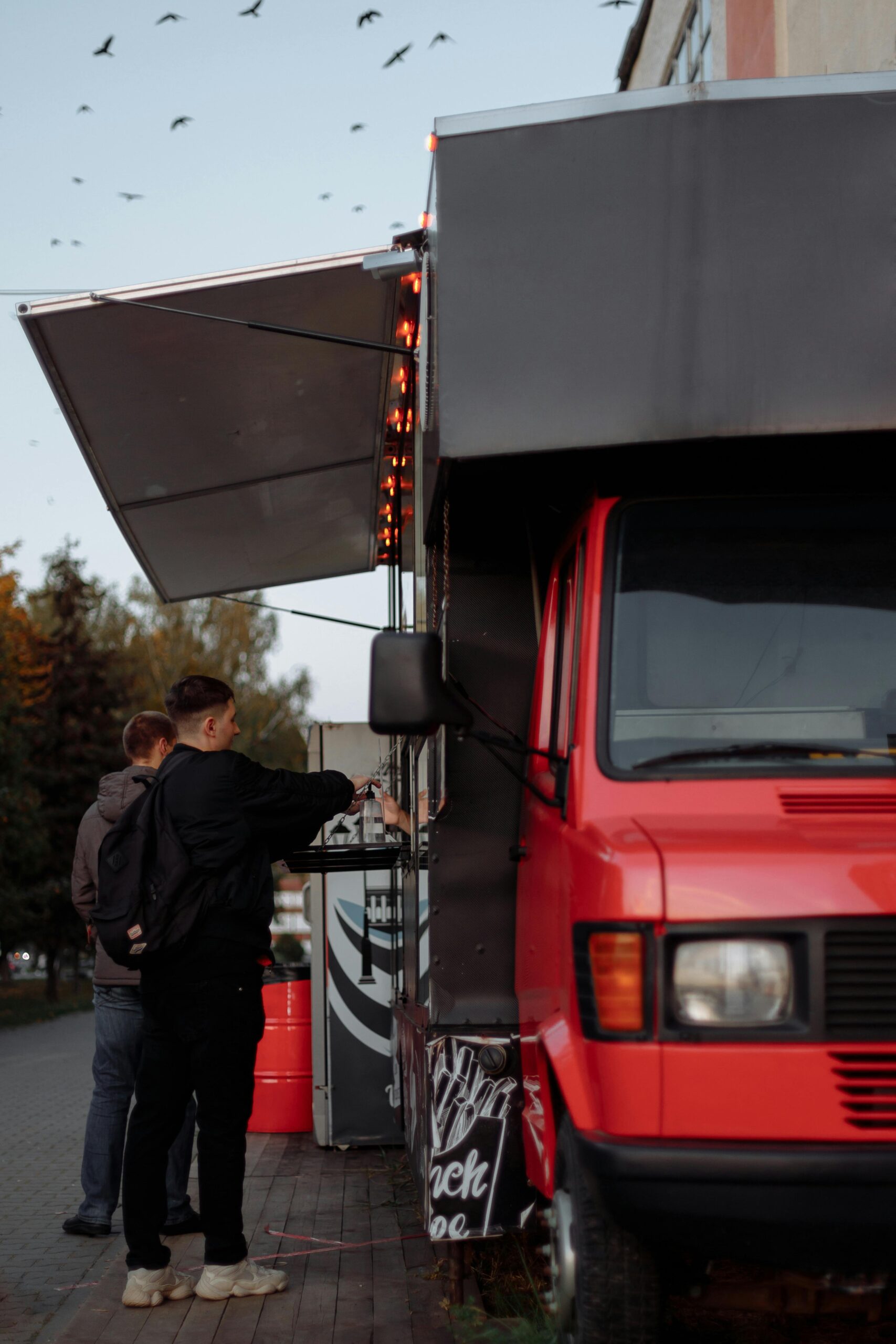
Lost Sock Roasters
From a back-alley roaster and a farmers’ market table to a thriving multi-location coffee company
In 2016, Jeff Yerxa and Nicolas Cabrera were two American University alumni roasting small-batch coffee in the back of a building on Kennedy Street NW, selling bags at the Petworth Farmers’ Market and to a handful of local cafés and grocers. They had a great product and a strong vision. What they needed was the financial structure to grow it.
Scaleit® Financial worked with the Lost Sock team through the stages that matter most: getting the books clean, building financial reporting that gave them real visibility into the business, and planning for a growth trajectory that would take them from wholesale-only to their own retail presence.
What came next was remarkable. Lost Sock opened a café inside the historic Takoma Theatre building in 2021 to immediate acclaim — named to Eater DC’s “Must-Try Coffee Shops” list. A state-of-the-art new roastery facility followed, dramatically expanding their production capacity.
And their second location, a café and market concept in the NoMa neighborhood, brought Lost Sock to the heart of DC.
Today, Lost Sock Roasters is a celebrated fixture of the DC coffee scene, with strong wholesale relationships, a loyal retail following, and a financial and operational structure primed for continued growth. And true to their roots, Jeff and Nico are still at the Petworth Farmers’ Market every week — the same stall where it all started.
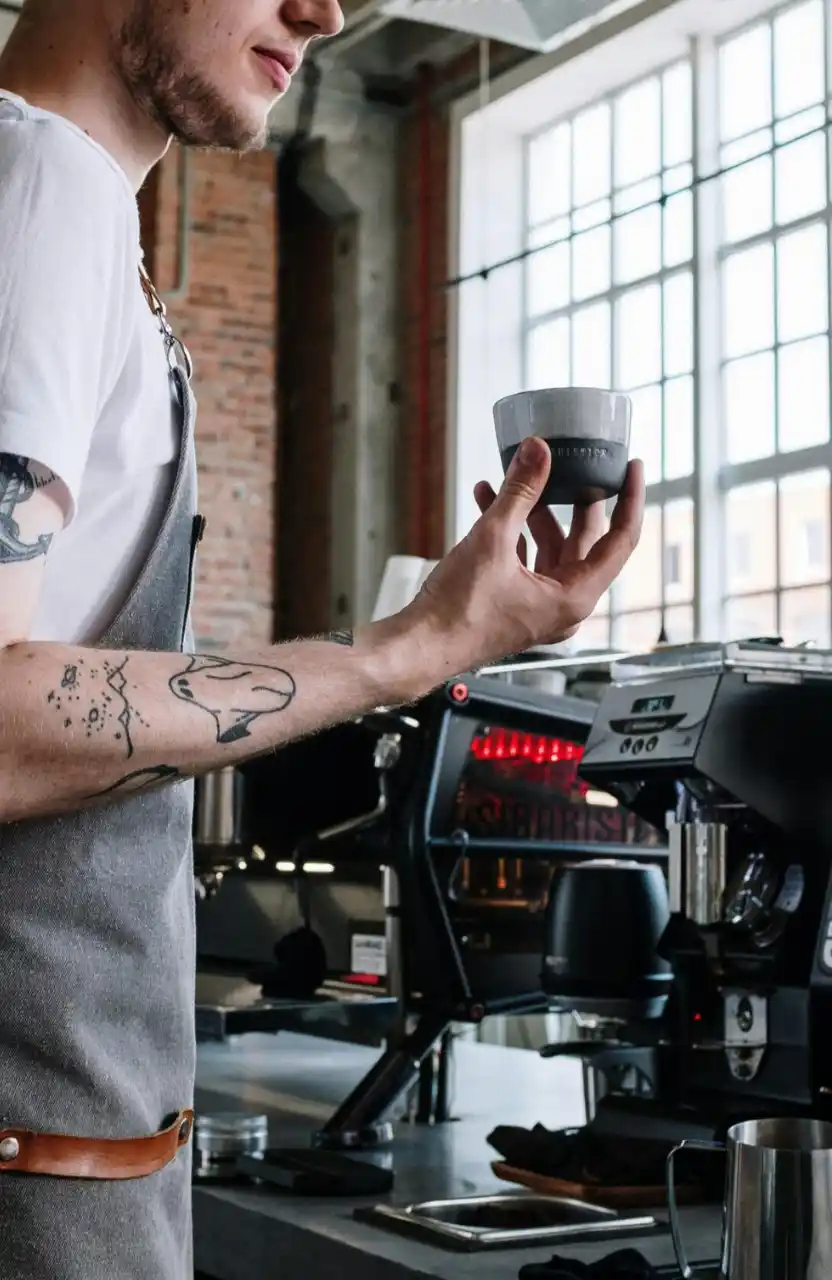
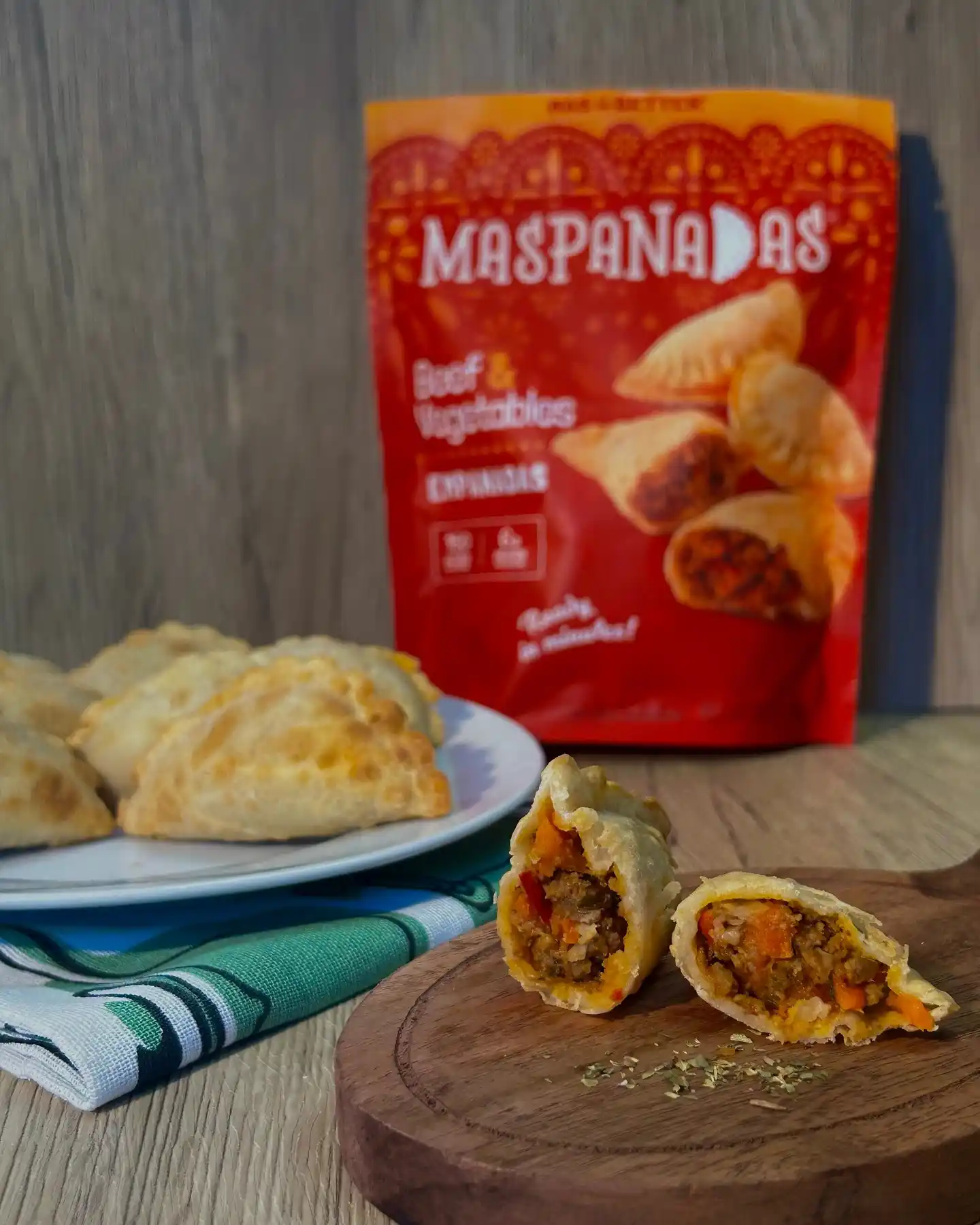
MasPanadas
From a shared kitchen to a 12,000 sq ft production facility and 2,000 stores nationwide
Margarita Womack — a Princeton PhD in biology, Georgetown MBA, and mother of three — started MasPanadas in 2017 making empanadas from family recipes she’d learned in her father’s restaurants in Bogotá, Colombia. She began in a shared kitchen in Washington, D.C., selling to neighbors and at markets.
Scaleit® Financial worked with Margarita as the business pivoted from catering to packaged consumer goods and began growing rapidly. Getting the financial structure right — accurate books, clear cost-of-goods, cash flow management — was the key to everything that came next. When Whole Foods came calling, and then Costco, the financial foundation was ready.
With her financial house in order, Margarita was able to exit the shared kitchen and move into her own dedicated production facility in Rockville, Maryland. That facility has since tripled in size — to 12,000 square feet with the capacity to produce over 20,000 empanadas per day. In 2023, MasPanadas closed a $1.5 million seed round, was named one of Angeles Investors’ Top 100 Hispanic-Led Companies in the U.S., and now sells in over 2,000 stores nationwide.
Mason Dixie Biscuit Company
From a food hall pop-up to a national frozen food brand in 8,000+ stores
Ayeshah Abuelhiga founded Mason Dixie in 2014 with a Kickstarter campaign, a pop-up shop that drew lines around four city blocks, and an 80-square-foot stall at Union Market. She was making scratch-made biscuits in DC — something no one was doing — and people couldn’t get enough.
Scaleit® Financial came in at a critical inflection point: when Mason Dixie was ready to move from pop-up operation to a real business with real infrastructure. We got the financial statements in order, built the reporting that investors need to see, and helped Ayeshah develop the financial narrative that made her case for outside funding credible and compelling.
The result: Mason Dixie secured its first round of private financing, opened its own production facility, and launched a brick-and-mortar restaurant in Washington, D.C. When the pandemic forced the restaurant to close in 2020, Ayeshah pivoted hard into frozen consumer products. She was already positioned to do so because the financial structure was solid.
Today, Mason Dixie Foods is a national brand, available in over 8,000 stores including Whole Foods, Target, Safeway, and Costco, partnered with Marriott Hotels, and recognized as one of the fastest-growing frozen comfort food brands in the U.S. Ayeshah was selected for the Ernst & Young Entrepreneurial Winning Women award.